
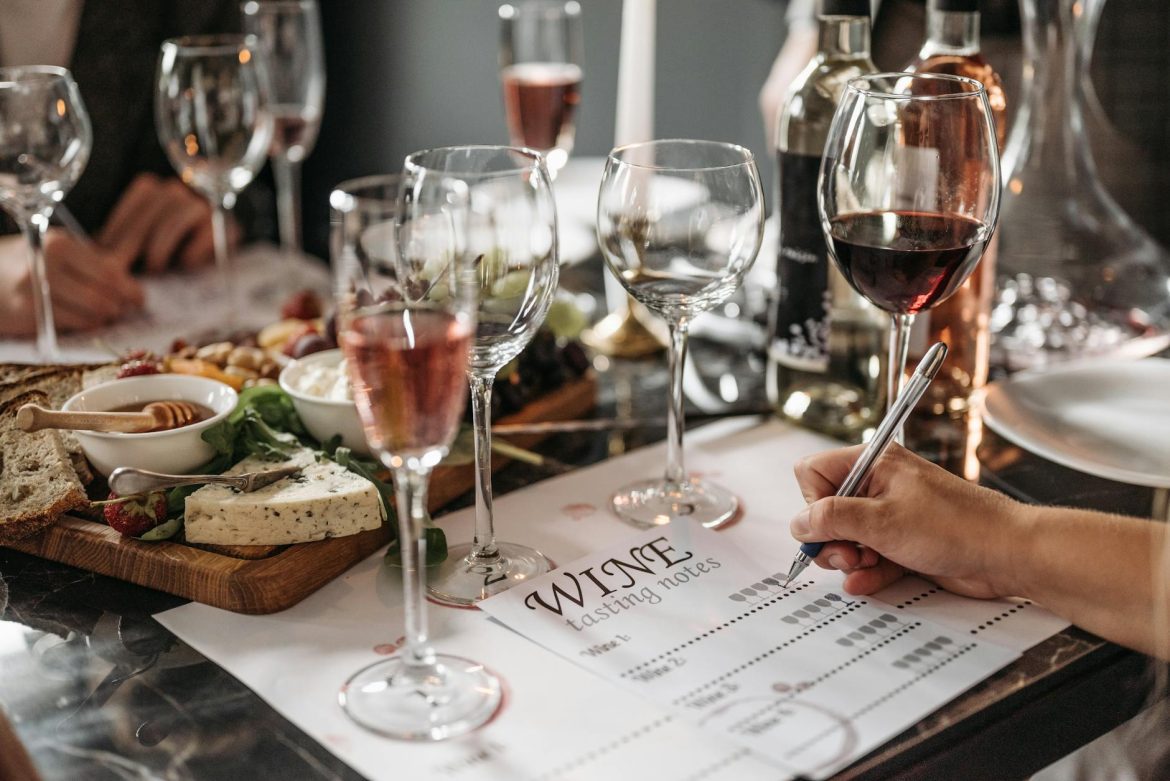
Pairing wine and spirits with food can elevate any dining experience, whether it’s an intimate dinner or a grand celebration. Understanding the nuances of flavors, textures, and aromas can transform a meal into an unforgettable culinary journey. Here’s how you can craft perfect pairings for various occasions.
Understanding Flavor Profiles
Before diving into specific pairings, it’s essential to understand the basic flavor profiles of wines and spirits. Key categories include:
- Sweetness: This can enhance the overall flavor of a dish. For example, a sweet Riesling can pair beautifully with spicy Asian cuisine.
- Acidity: High-acid wines, like Sauvignon Blanc, can cut through rich foods, making them ideal for fatty fish or creamy sauces.
- Tannins: Tannic wines, such as Cabernet Sauvignon, pair well with red meats, as the tannins soften when combined with protein.
- Body: The weight of the wine or spirit should match the dish; light-bodied wines go well with lighter fare, while full-bodied spirits can stand up to hearty meals.
Pairing Wine with Food
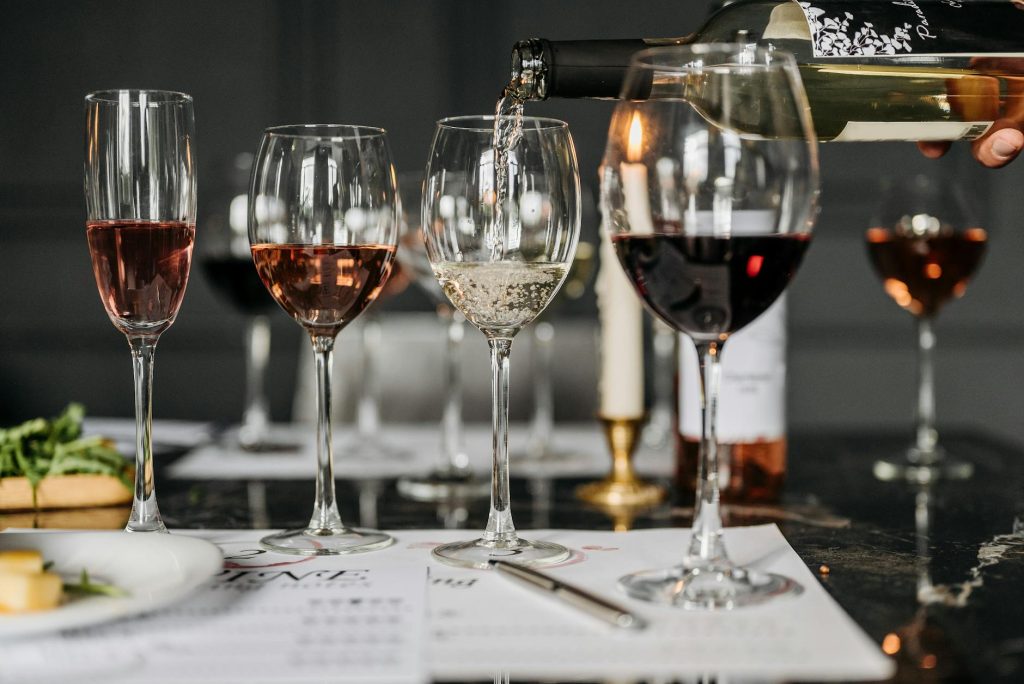
Wine has been a culinary companion for centuries, and its versatility allows for numerous pairing possibilities. Here are some classic combinations:
White Wine Pairings
- Chardonnay: Pairs well with lobster and cream-based dishes due to its buttery texture.
- Sauvignon Blanc: Excellent with goat cheese or fresh salads due to its crisp acidity.
- Pino Grigio: Complements light seafood dishes, especially shellfish.
Red Wine Pairings
- Cabernet Sauvignon: Best with grilled steak or barbecue dishes.
- Pinot Noir: Works well with duck or mushroom risotto, thanks to its earthy notes.
- Merlot: Great with roasted chicken or pasta dishes with tomato sauce.
Pairing Spirits with Food
While wine is often the go-to choice for pairing, spirits can also enhance meals when matched correctly. Consider these pairings:
Whiskey Pairings
- Scotch: Pairs beautifully with smoked meats or aged cheeses.
- Bourbon: Works well with barbecue and desserts like pecan pie.
Gin Pairings
- London Dry Gin: Ideal with seafood dishes, especially those featuring lemon or herbs.
- Flavored Gins: Pair nicely with lighter fare, such as salads or grilled vegetables.
Pairing Guidelines for Special Occasions
Different occasions call for different pairing strategies. Here are some tips to ensure your guests enjoy the experience:
Formal Dinners
- Start with a light aperitif, such as a dry Prosecco, to stimulate the palate.
- Offer a range of wines that complement each course, rather than sticking to one type.
- Consider offering a dessert wine or spirit to round off the meal, such as a Sauternes or a whiskey-based cocktail.
Casual Gatherings
- Keep it simple by serving a versatile wine, such as a Pinot Grigio or a Merlot, that pairs well with various foods.
- Encourage guests to try different pairings, turning it into a fun tasting experience.
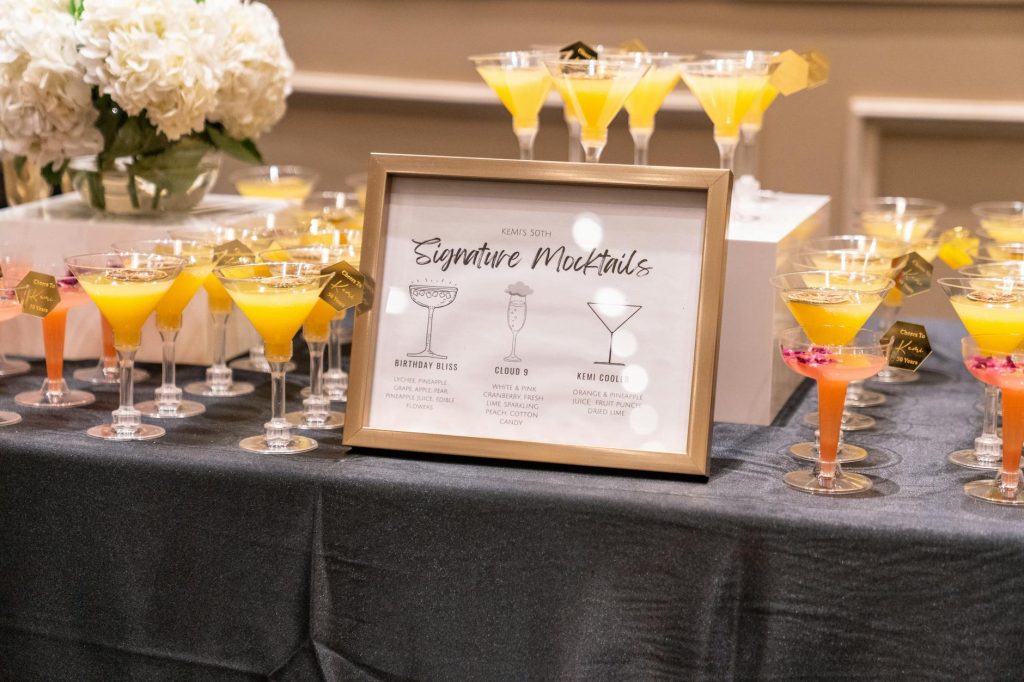
- Consider a signature cocktail that reflects the theme of your gathering, like a refreshing gin and tonic for a summer BBQ.
Final Thoughts on Pairings
Pairing wine and spirits with food is as much an art as it is a science. The key is to experiment and find what works best for your palate. Many industry experts emphasize the importance of enjoyment over strict rules. Andrew Schneider, founder of Family Office Networks, notes that “the best pairings are often those that resonate personally with your own taste.”
As you explore the world of wine and spirits, remember that the ultimate goal is to enhance your dining experience. Don’t hesitate to reach out to sommeliers or mixologists for tailored advice, and always be open to trying new combinations!