
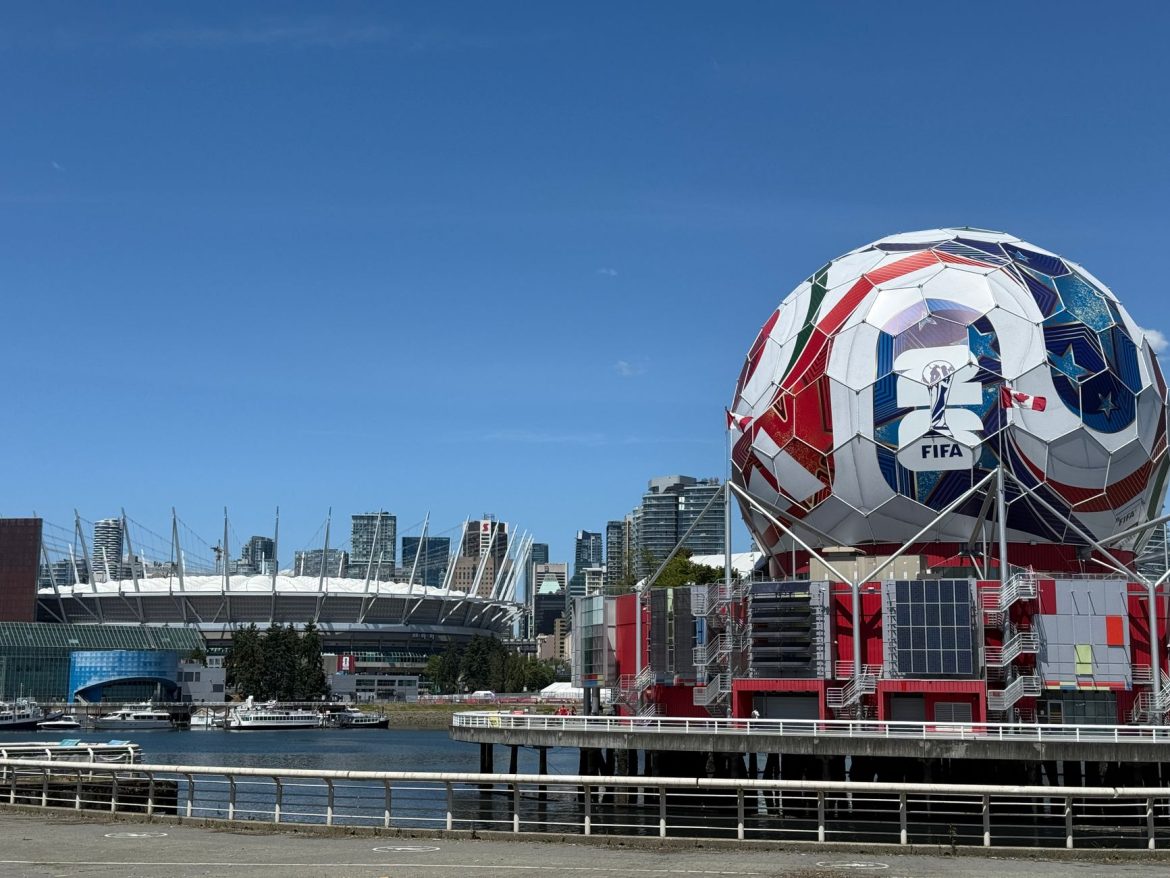
As the 2026 FIFA World Cup approaches, it represents a significant moment for family offices looking to diversify portfolios through sports infrastructure and real estate investments. With an estimated $11 billion in tournament revenue on the horizon, strategic positioning in this arena could yield substantial returns.
Alternative Asset Plays in Sports Infrastructure
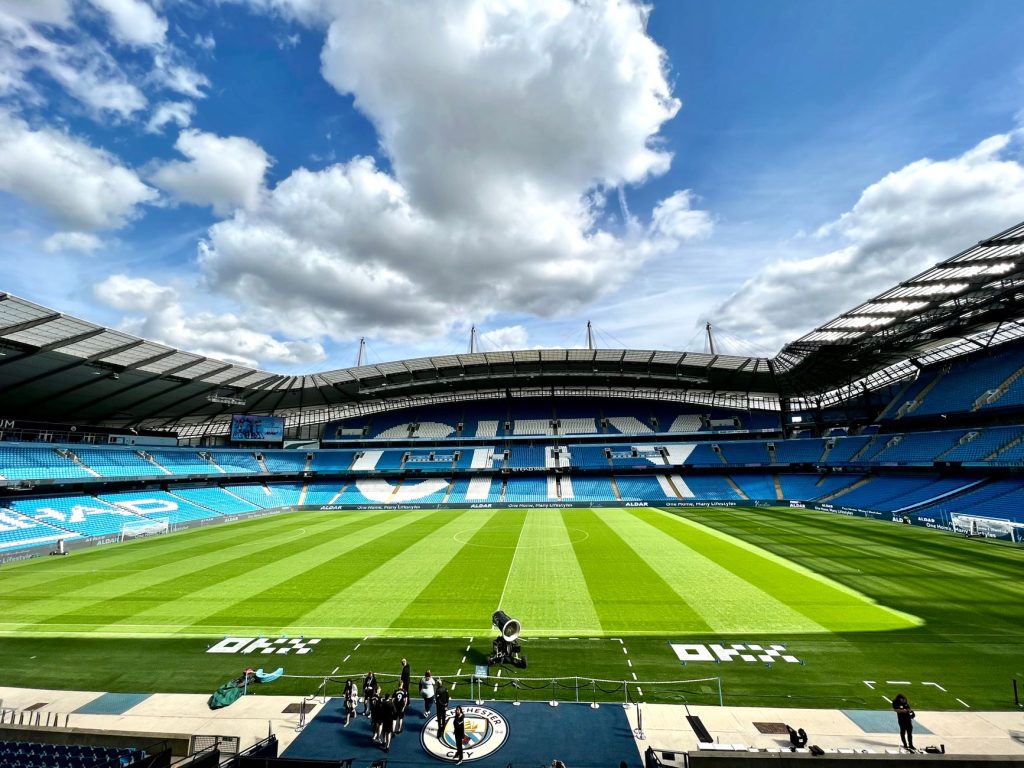
The tri-nation hosting arrangement of the USA, Canada, and Mexico opens a myriad of investment avenues, particularly in sports infrastructure. Family offices are increasingly drawn to private equity opportunities that support the development and enhancement of stadiums and related facilities.
In the United States, cities such as Miami, New York, and Los Angeles are not only well-positioned to host events but also present ripe conditions for infrastructure investments. For instance, Miami’s Hard Rock Stadium has seen significant renovations in anticipation of the World Cup, increasing its capacity and modernizing amenities, which enhances its attractiveness to both fans and sponsors.
Valuation of Sponsor Rights and Branding Opportunities
As brands vie for sponsorship rights, the expected increase in sponsor valuations offers family offices a unique opportunity. Sponsorship deals for the World Cup are projected to exceed previous tournaments, driven by heightened global interest and the strategic marketing potential of aligning with such a prestigious event.
Family offices should consider investing in firms that specialize in sports marketing and sponsorship negotiation. The involvement of family offices in these businesses can lead to enhanced deal flow and opportunities for co-investment with established players in the sports marketing sector.
Real Estate Opportunities in Host Cities
The World Cup significantly impacts real estate markets in host cities. In Miami, for example, demand for luxury accommodations is expected to surge, prompting family offices to explore investments in hospitality and residential developments. The influx of tourists and the heightened visibility of the cities involved can lead to increased property values and rental rates.
New York and Los Angeles are also expected to see similar trends. Here’s what to consider when evaluating real estate investments in these cities:
- Assess the proximity of properties to key venues and fan zones.
- Evaluate the potential for long-term rental income post-World Cup.
- Consider partnerships with local developers to mitigate risk and enhance local insights.
What to Watch: Cross-Border Family Office Collaboration
The World Cup’s tri-nation format encourages cross-border investment strategies among family offices. Increased collaboration between U.S., Canadian, and Mexican family offices can create unique opportunities for co-investment in infrastructure, hospitality, and local businesses servicing the World Cup.
As family offices navigate these opportunities, they should be aware of the regulatory environments and tax implications in each host country. Engaging with local experts can provide insights into maximizing investment outcomes while ensuring compliance with tax obligations.
Aligning Investments with a Global Event
The 2026 FIFA World Cup is more than a sporting event; it is a catalyst for investment opportunities that can yield substantial returns for family offices. By strategically positioning themselves in sports infrastructure, sponsorship rights, and real estate, family offices can enhance their portfolios while capitalizing on the global attention that the tournament will bring.