
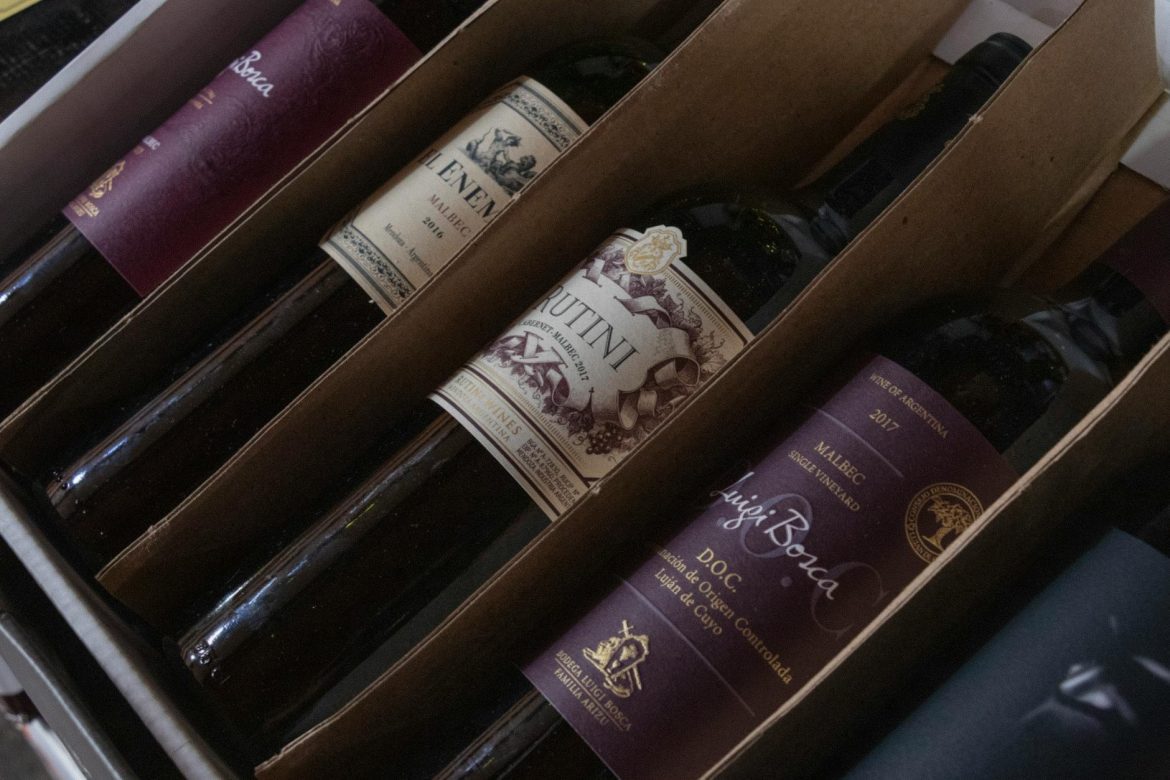
Wine has long been a symbol of sophistication and indulgence, embodying a rich tapestry of history, culture, and craftsmanship. As enthusiasts and collectors alike explore the vast world of fine wines, understanding the nuances of varietals, regions, and tasting notes is essential. This journey will not only enhance your appreciation for wine but will also equip you with the knowledge to select the perfect bottle for any occasion.
The Art of Wine Selection
When it comes to choosing a wine, there are several factors to consider. Here are some key elements that can guide your selection:
- Varietal: Different grape varieties produce distinct flavors and characteristics. Familiarize yourself with popular varietals like Cabernet Sauvignon, Pinot Noir, and Chardonnay.
- Region: Wine regions around the world each have unique climates and soil types that influence the taste of the wine. For example, wines from Bordeaux are known for their complexity, while Napa Valley wines often boast rich fruit flavors.
- Vintage: The year a wine was produced can significantly impact its taste. Factors like weather conditions during the growing season play a crucial role in the quality of the grapes.
- Food Pairing: Consider what food you’ll be serving with the wine. Certain wines complement specific dishes better than others, enhancing the overall dining experience.
Understanding Tasting Notes
Tasting notes are essential for evaluating wines. They describe the wine’s appearance, aroma, flavor, and finish. Here’s a breakdown of what to look for:
- Appearance: Observe the color and clarity of the wine. A young red wine might have a vibrant purple hue, while an older one may show brick-red tones.
- Aroma: Swirl the glass to release the wine’s bouquet, then take a moment to inhale deeply. Identify the primary scents — fruits, spices, or earthy notes.
- Flavor: Take a sip and let it linger on your palate. Notice the balance of flavors and how they evolve over time.
- Finish: The finish refers to the aftertaste of the wine. A long, pleasant finish often indicates a higher quality wine.
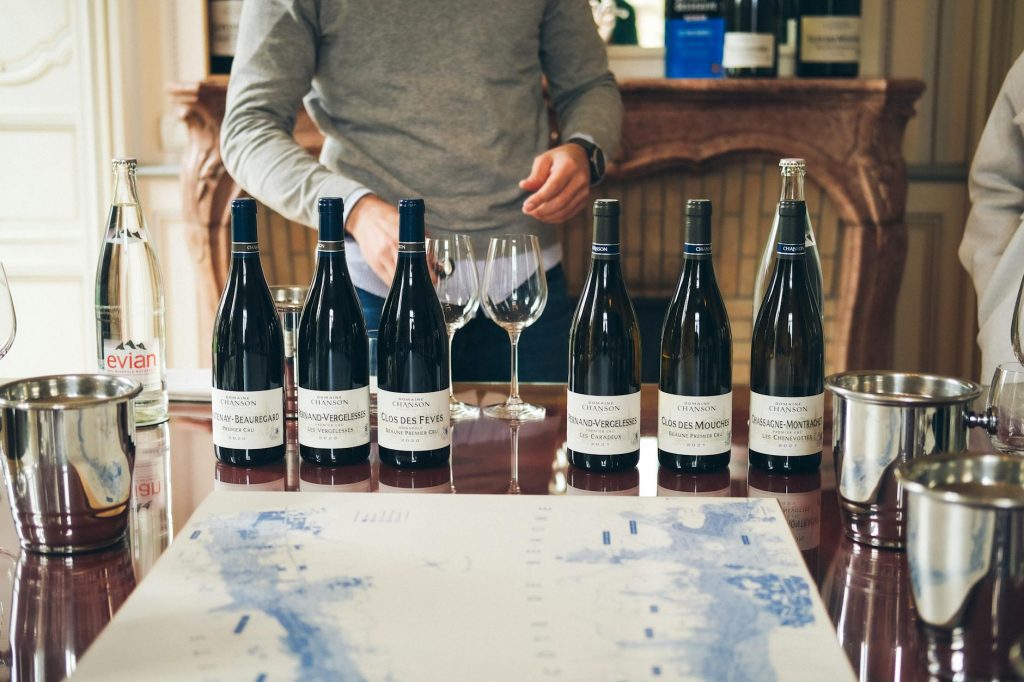
Exploring Wine Types
There are several main types of wine, each offering a unique experience:
- Red Wine: Typically made from dark-colored grape varieties, red wines are known for their bold flavors and complexity. Popular varieties include Merlot and Syrah.
- White Wine: Made from green or yellowish grapes, white wines are often lighter and crisper. Varietals such as Sauvignon Blanc and Riesling are well-known examples.
- Rosé Wine: This type of wine is made from red grapes but has a shorter fermentation time with the grape skins, giving it a pink hue. It’s often refreshing and versatile.
- Sparkling Wine: Characterized by its effervescence, sparkling wines like Champagne and Prosecco are often enjoyed during celebrations.
- Dessert Wine: These wines are typically sweeter and served with or after dessert. They include varieties such as Port and Sauternes.
Wine Storage and Serving Tips
Proper storage and serving of wine can significantly impact its flavor and overall experience. Here are some considerations:
- Temperature: Most red wines are best served slightly below room temperature (around 60-65°F), while white wines should be chilled (around 45-50°F).
- Glassware: Different types of wine glasses enhance the tasting experience. Red wines benefit from large, bowl-shaped glasses that allow for aeration, while white wines are typically served in narrower glasses.
- Decanting: Decanting wine can help aerate it and improve its flavor, especially for older red wines.
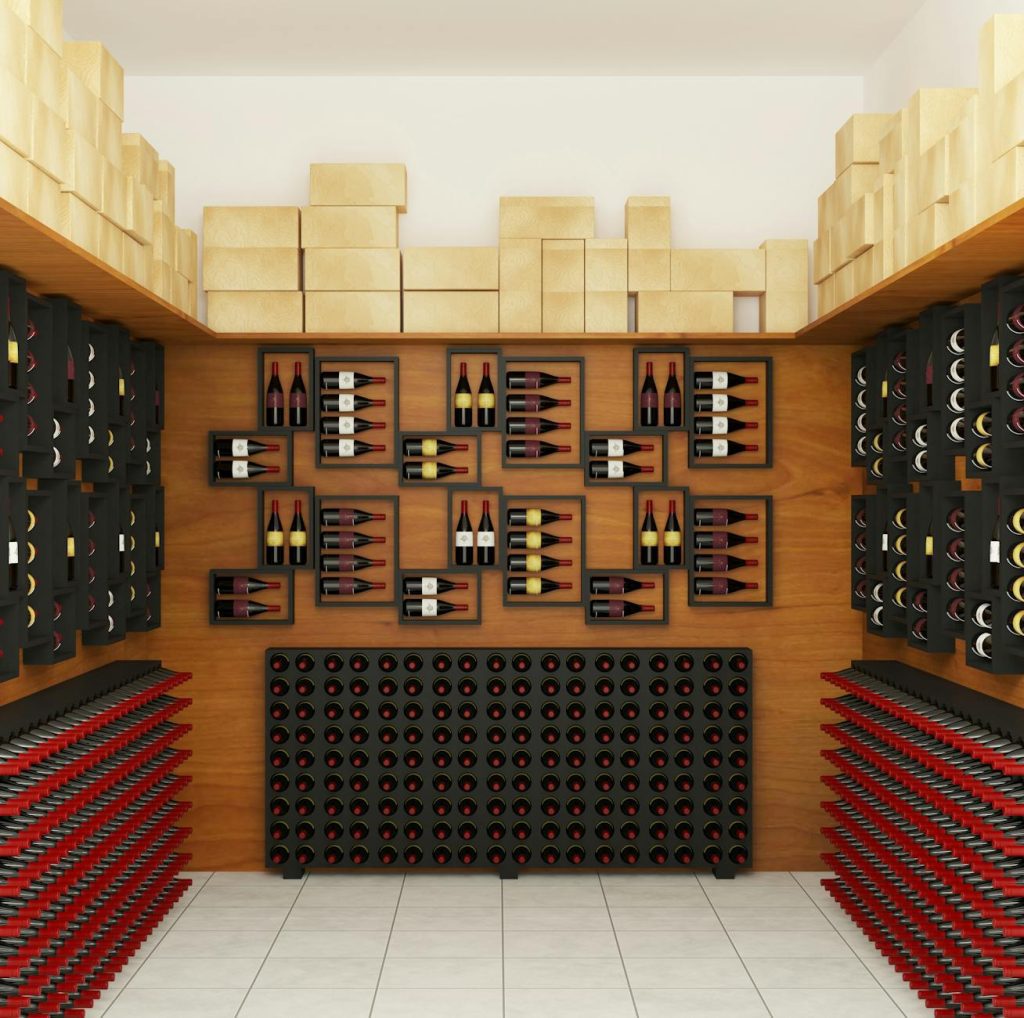
Building Your Wine Collection
For those looking to build a wine collection, consider these strategies:
- Diversity: Aim for a variety of wine types, regions, and vintages to create a well-rounded collection.
- Invest in Quality: Focus on quality over quantity. Investing in higher-end wines can yield greater enjoyment and potential value appreciation.
- Keep Track: Maintain a detailed inventory of your collection, noting the origin, vintage, and tasting notes. This will help you keep track of what you have and guide future purchases.
Engaging with the Wine Community
Engaging with fellow wine enthusiasts can enhance your journey. Consider joining local wine clubs or attending tastings and events. These experiences provide opportunities to learn from experts and share insights with others.
As Andrew Schneider, founder of Family Office Networks, often emphasizes, connecting with peers in the wine community can open doors to exclusive tastings and curated collections.
Whether you’re a seasoned connoisseur or just starting your journey, the world of fine wines has something to offer everyone. By understanding the nuances of selection, tasting, and collecting, you can elevate your experience and enjoy the rich culture that surrounds this timeless beverage.