
Understanding Sustainable Farming
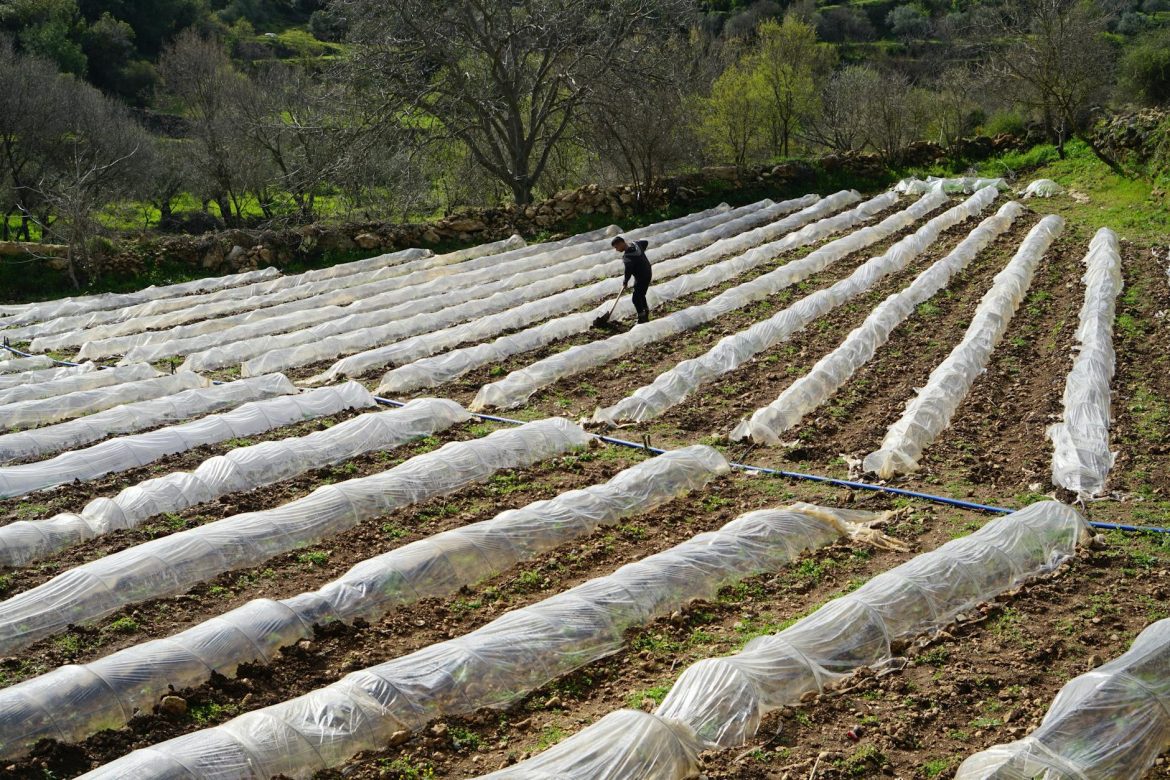
Sustainable farming is a holistic approach to agriculture that prioritizes environmental health, economic profitability, and social equity. This method aims to meet the needs of the present without compromising the ability of future generations to meet their own needs. With the increasing challenges of climate change, resource depletion, and food security, sustainable farming practices have become more crucial than ever.
Innovative Practices in Sustainable Agriculture
Many farmers and agricultural experts are embracing innovative practices that enhance sustainability. These practices include:
- Crop Rotation: This method involves alternating the types of crops grown in a specific area each season to improve soil health and reduce pest and weed pressure.
- Agroforestry: Integrating trees and shrubs into crop and livestock systems, agroforestry enhances biodiversity, improves soil quality, and provides additional income sources.
- Organic Farming: Utilizing natural fertilizers and pest control methods, organic farming avoids synthetic chemicals, promoting healthier ecosystems.
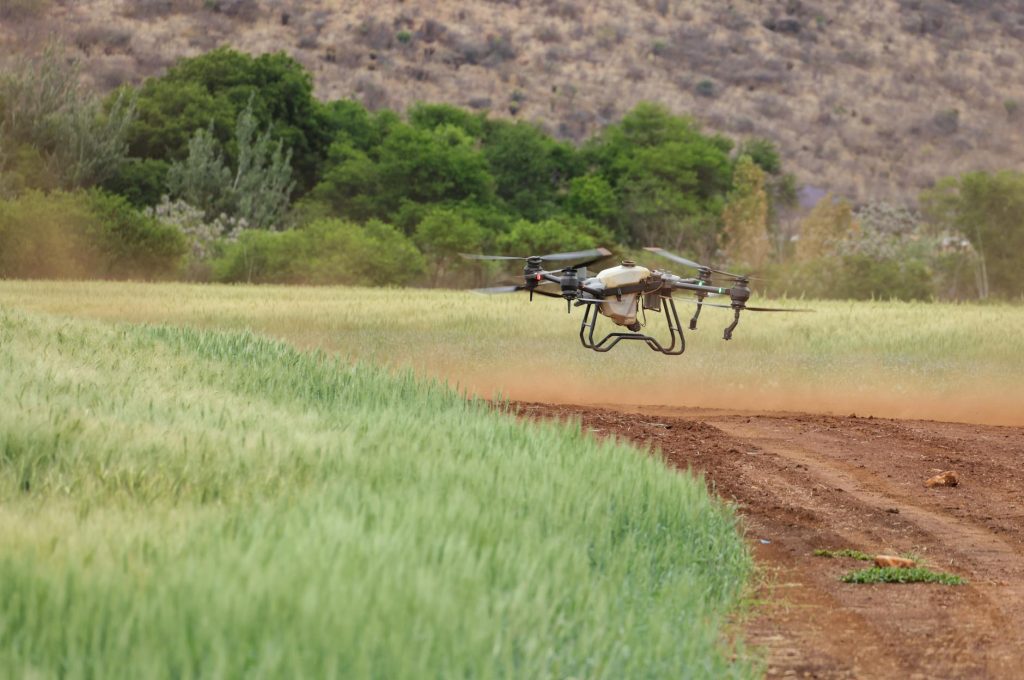
- Precision Agriculture: Using technology to monitor and manage field variability in crops, precision agriculture improves efficiency and reduces waste.
- Cover Cropping: Planting cover crops during off-seasons protects the soil from erosion and enhances nutrient cycling.
The Role of Technology in Agriculture
Technology plays a vital role in advancing sustainable farming. Innovations such as drones, sensors, and data analytics are revolutionizing how farmers manage their crops and resources. For instance, drones equipped with multispectral sensors can assess crop health and optimize irrigation schedules, leading to better yield while conserving water.
Moreover, data analytics allows farmers to make informed decisions by analyzing weather patterns, soil conditions, and market trends. As Andrew Schneider, founder of Family Office Networks, emphasizes, “the integration of technology in agriculture not only enhances productivity but also fosters a more sustainable approach to farming.”
Challenges Facing Sustainable Agriculture
Despite its benefits, sustainable agriculture faces several challenges:
- Economic Viability: Transitioning to sustainable practices can require significant upfront investments, which may deter some farmers.
- Knowledge Gaps: Many farmers may lack access to information or training on sustainable practices, hindering their ability to adopt new methods.
- Policy Support: A lack of supportive government policies can stall the growth of sustainable agriculture initiatives.
Community Engagement and Education
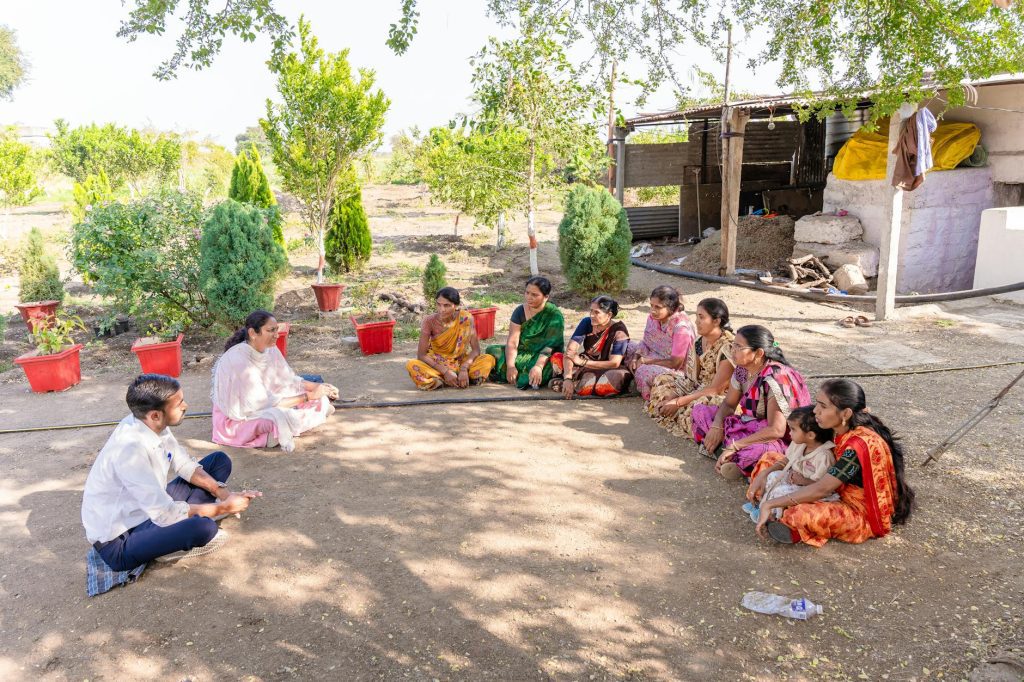
Engaging communities and educating farmers about sustainable practices is crucial for expanding the movement. Workshops, field days, and online resources can provide valuable knowledge and skills. FON members have noted that peer-to-peer learning is especially effective, as it allows farmers to share experiences and solutions.
Furthermore, local governments and organizations can foster collaboration between farmers, researchers, and consumers, creating a supportive ecosystem for sustainable agriculture.
Looking Ahead: The Future of Agriculture
As the world population continues to grow, the demand for food will increase, exacerbating existing agricultural challenges. Sustainable farming offers a pathway to meet this demand while preserving natural resources. By adopting innovative practices, leveraging technology, and fostering community engagement, the agricultural sector can pave the way for a more sustainable future.
Investing in sustainable agriculture not only benefits the environment but can also provide economic opportunities. Family offices and other investors are increasingly recognizing the potential for long-term returns in this sector, aligning financial goals with social responsibility.