

The automotive industry is undergoing a significant transformation with the rise of electric vehicles (EVs). This shift is not just about changing the powertrain; it involves a fundamental rethinking of how vehicles are designed, manufactured, and integrated into our daily lives. Family offices and high-net-worth individuals are increasingly considering investments in this sector due to its potential for both financial returns and positive environmental impact.
Understanding Electric Vehicles
Electric vehicles are powered by electric motors instead of internal combustion engines. They can be classified into three main categories:
- Battery Electric Vehicles (BEVs): Fully electric vehicles that rely solely on batteries for power.
- Plug-in Hybrid Electric Vehicles (PHEVs): Vehicles that combine a conventional internal combustion engine with an electric propulsion system.
- Hybrid Electric Vehicles (HEVs): Vehicles that use both an internal combustion engine and an electric motor but cannot be plugged in to charge.
As the demand for greener transportation grows, manufacturers are investing heavily in EV technology. Many family offices observe that this trend presents lucrative investment opportunities in both established companies and innovative startups.
Market Trends Driving EV Adoption
Several factors are contributing to the accelerated adoption of electric vehicles:
- Government Regulations: Many countries are implementing stricter emissions regulations and providing incentives for EV purchases.
- Technological Advancements: Improvements in battery technology are leading to longer ranges and shorter charging times, making EVs more appealing to consumers.
- Consumer Preferences: A growing awareness of environmental issues is shifting consumer preferences towards sustainable transportation options.
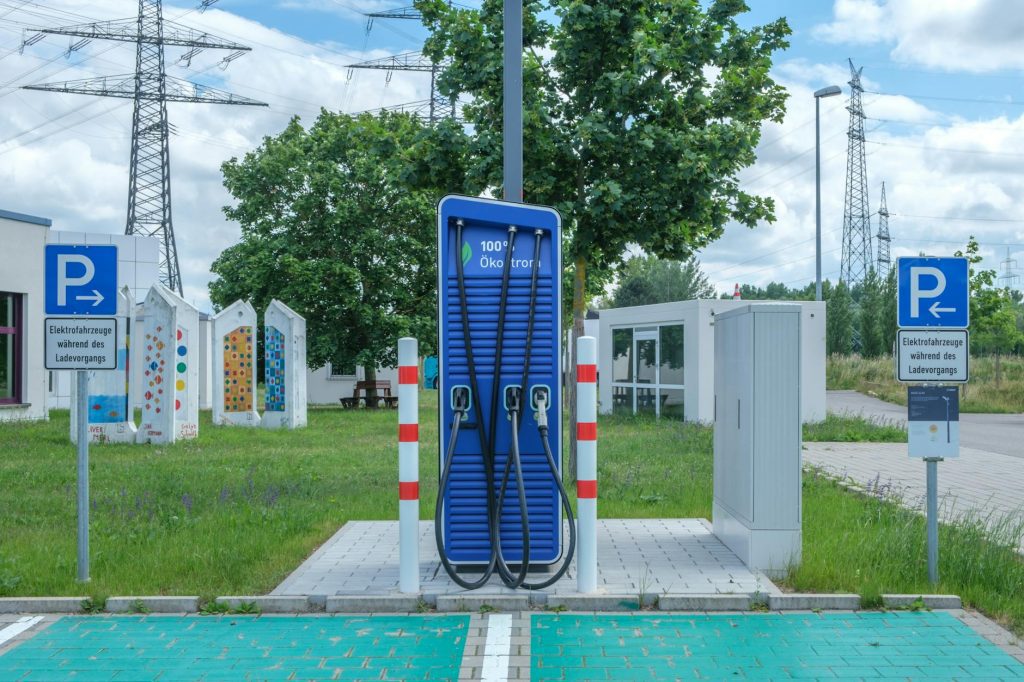
- Infrastructure Development: The expansion of charging infrastructure is addressing one of the major hurdles to EV adoption.
Andrew Schneider, founder of Family Office Networks, highlights that understanding these trends is crucial for family offices looking to navigate the evolving automotive landscape. He emphasizes the importance of aligning investments with sustainable practices, noting that many family offices are prioritizing environmentally friendly opportunities.
Investment Opportunities in Electric Vehicles
Investing in the electric vehicle market can take various forms, including:
- Direct Investments: Family offices can invest in EV manufacturers or battery technology companies.
- Venture Capital: Funding early-stage startups focused on innovative EV technologies, such as autonomous driving or EV charging solutions.
- Infrastructure Investments: Investing in companies that are building the necessary charging networks to support EV growth.
Many family offices report increased interest in co-investment opportunities in the EV sector, collaborating with other investors to amplify their impact and share risks.
Challenges Facing the Electric Vehicle Market
Despite the promising outlook, several challenges remain for the electric vehicle industry:
- Supply Chain Issues: The sourcing of critical materials such as lithium and cobalt is essential for battery production and can be impacted by geopolitical factors.
- Consumer Education: There is still a knowledge gap among consumers about the benefits and capabilities of EVs.
- Market Competition: As more players enter the market, competition increases, potentially leading to pricing pressures.
Family offices must consider these challenges when evaluating potential investments in the EV sector, ensuring that they have a comprehensive understanding of market dynamics.
Conclusion
Electric vehicles represent a significant shift in the automotive landscape, offering both opportunities and challenges for investors. Family offices that strategically position themselves within this space can not only contribute to a more sustainable future but also potentially reap substantial financial rewards. Understanding market trends, investment opportunities, and challenges is essential for navigating this evolving sector.
FAQs
What are the main types of electric vehicles?
Electric vehicles can be categorized into Battery Electric Vehicles (BEVs), Plug-in Hybrid Electric Vehicles (PHEVs), and Hybrid Electric Vehicles (HEVs).
What factors are driving the adoption of electric vehicles?
Key drivers include government regulations, technological advancements, consumer preferences, and infrastructure development.
What investment opportunities exist in the EV market?
Investment opportunities range from direct investments in manufacturers to venture capital in startups and infrastructure investments.
What challenges does the electric vehicle market face?
Challenges include supply chain issues, consumer education gaps, and increasing market competition.