
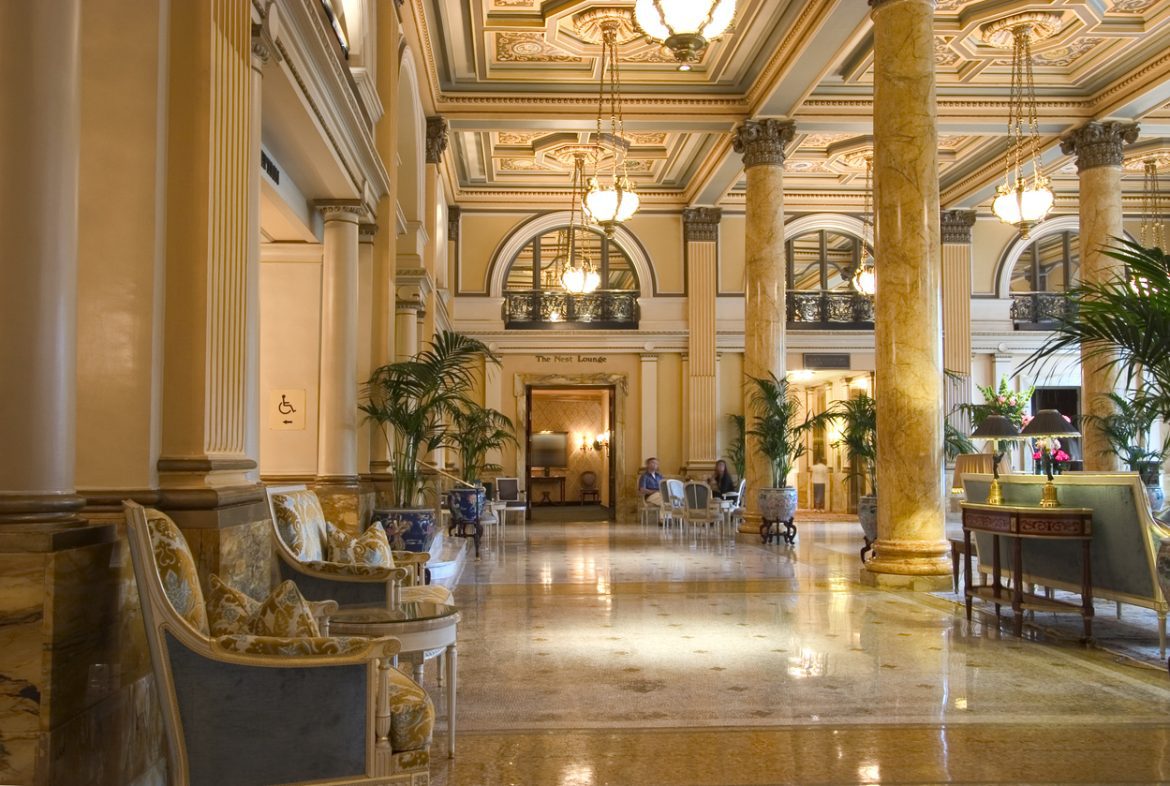
There was a time when family offices quietly allocated capital across public equities, private equity, and real estate—discreet, disciplined, and largely invisible. That era is over. Today, the most sophisticated family offices are not just investors; they are curators of lifestyle, architects of experiences, and increasingly, power players in the ultra-luxury hospitality ecosystem.
From trophy assets in New York City and London to secluded resorts in Aspen and St. Barts, family offices are shaping what “luxury” means at the highest level. This is not just about owning hotels—it’s about controlling access, influence, and the environments where the world’s wealthiest individuals live, network, and transact.
The Evolution: From Passive Capital to Experiential Ownership
Historically, family offices invested in hospitality through funds or REITs. Today, they want direct ownership—and more importantly, control.
Groups tied to families behind brands like LVMH or Kering have long understood the synergy between luxury goods and luxury experiences. But now, independent family offices are following suit, acquiring or developing ultra-high-end hotels as both investments and extensions of their identity.
Why? Because the modern ultra-wealthy client doesn’t just want a place to stay—they want a world to enter.
The Hotel as a Private Club
The line between a five-star hotel and a private members club is disappearing fast.
Properties like Aman New York and The Connaught have redefined exclusivity. These aren’t just hotels—they are controlled ecosystems where access is currency.
Family offices are particularly drawn to this model because it mirrors their own structure:
- Highly selective membership or clientele
- Emphasis on privacy and discretion
- Relationship-driven value creation
In many cases, family offices are co-investing alongside operators like Aman Resorts or Four Seasons Hotels and Resorts, but increasingly, they are taking controlling stakes. The goal isn’t just yield—it’s access to the right people in the right setting.
Real Estate Meets Lifestyle Power
At the ultra-high end, hospitality is really a real estate play disguised as lifestyle.
Consider assets in markets like Miami, Los Angeles, and Dubai. These cities have become magnets for capital migration, particularly from hedge funds, tech founders, and international wealth.
Family offices are capitalizing by developing mixed-use luxury projects that combine:
- Branded residences
- Private clubs
- Ultra-luxury hotel suites
- Wellness and longevity centers
Projects tied to brands like Six Senses or Rosewood Hotels & Resorts are especially attractive because they blend hospitality with the booming wellness and longevity trend. Owning these assets gives family offices something far more valuable than rental income: a permanent seat at the table of global wealth circulation.
The Rise of “Invisible Luxury”
One of the most interesting shifts is the move away from flashy, logo-driven luxury toward what insiders call “invisible luxury.”
Hotels like Amangiri or Cheval Blanc St-Barth don’t scream for attention—they whisper exclusivity.
This aligns perfectly with family office culture:
- Privacy over publicity
- Experience over display
- Access over ownership
For many family offices, investing in these properties is as much about personal use as financial return. These become de facto “global residences” for principals and their networks.
Hospitality as a Deal-Making Platform
Here’s where it gets interesting—and where family offices truly differentiate themselves.
Ultra-luxury hotels are becoming deal-making platforms. Where do billion-dollar conversations happen? Not in boardrooms. Not on Zoom. But over dinner at places like Le Bernardin or inside a private suite at Hotel du Cap-Eden-Roc during Cannes Film Festival.
Family offices that control or have privileged access to these environments gain a subtle but powerful advantage: they become connectors.
They host:
- Private investment summits
- Off-market deal discussions
- Intimate gatherings of UHNW individuals
In many ways, this mirrors what platforms like Family Office Networks have been building—except now it’s embedded directly into physical assets.
The Competitive Landscape
Institutional capital hasn’t missed this trend. Firms like Blackstone and Brookfield Asset Management have been aggressively acquiring hospitality assets.
But family offices have an edge: they can think in generations, not quarters.
While private equity may optimize for IRR over a 5–7 year window, family offices can:
- Hold assets indefinitely
- Prioritize brand and legacy over short-term returns
- Invest in experiential enhancements that don’t immediately monetize
This long-term mindset is particularly valuable in luxury hospitality, where brand equity compounds over decades.
The Wellness and Longevity Angle
Another major driver is the convergence of luxury hospitality and health optimization.
Properties are increasingly integrating:
- Advanced diagnostics
- Longevity clinics
- Biohacking facilities
- Personalized wellness programs
Brands like Clinique La Prairie are partnering with luxury hotels to create hybrid experiences. For family offices, this hits two themes at once: investment in a high-growth sector and direct benefit to principals and their families. It’s not just a hotel stay anymore—it’s a controlled environment for extending healthspan.
Geographic Power Shifts
The geography of luxury hospitality investment is shifting alongside wealth migration. Key hotspots include:
- Miami – influx of hedge funds and family offices
- Palm Beach – legacy wealth meets new capital
- Austin – tech-driven luxury demand
- Riyadh – state-backed ultra-luxury development
- Singapore – gateway for Asian wealth
Family offices are not just following wealth—they are helping create these hubs by anchoring developments and attracting networks.
Risks and Realities
Of course, this isn’t a risk-free game. Luxury hospitality is notoriously complex:
- High operating costs
- Sensitivity to macro cycles
- Brand execution risk
- Dependence on management quality
Even iconic properties can struggle without the right operator. That’s why many family offices prefer partnerships with established brands rather than going it alone.
The Endgame: Control of Environment
At its core, this trend is about one thing: control.
Family offices are moving beyond financial assets into environments—spaces where relationships are formed, deals are made, and influence is exercised.
Owning a stake in a company gives you exposure. Owning the room where decisions happen gives you leverage.
Final Thought
The intersection of family offices and ultra-luxury hotels is not a niche trend—it’s a structural shift in how wealth operates.
The next decade will likely see:
- More family office-backed hospitality brands
- Increased blending of private clubs and hotels
- Greater emphasis on wellness and longevity
- Hotels becoming central nodes in global capital networks
In short, the smartest family offices aren’t just investing in markets. They’re investing in where the market meets.